November 3, 2026
A dependable overhead entrance provides essential daily security for residential properties, protecting vehicles, tools, and family belongings from outdoor elements and intrusion. Because these massive systems balance heavy panels and tightly wound metal springs, safe daily operation requires consistent caution from every household member. Residential garage doors rank among the heaviest moving objects on modern properties, making safety awareness a top priority for families. When homeowners treat these entryways with care and establish safe habits, they prevent property damage and ensure reliable everyday access for everyone in the home.
Every overhead entry assembly relies on synchronized parts, including metal tracks, balanced springs, solid hinges, and an electric motor drive. If any of these mechanical components wear down or slip out of proper alignment, the entire structure can drop suddenly or jam in place. Understanding the basic mechanics behind the system allows homeowners to spot developing hazards before severe malfunctions happen. Dedicating time to routine visual checks and following standard safety guidelines preserves household well-being, protects personal vehicles, and extends equipment longevity throughout decades of daily operation.
Understand Mechanisms and Components
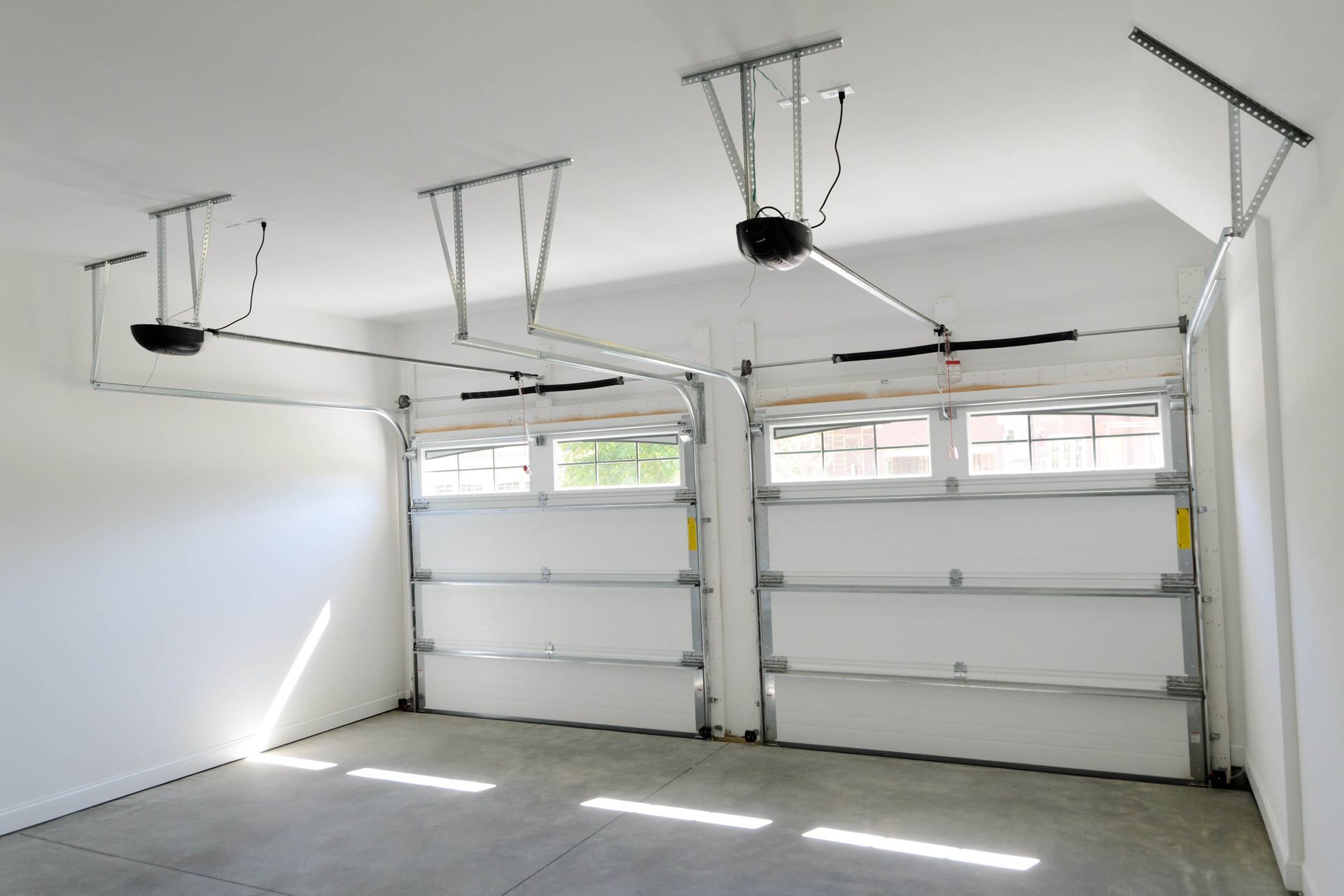
Residential overhead systems depend on an intricate network of counterbalance parts that work together to lift substantial weight smoothly and safely. Torsion springs mounted above the doorway or extension springs along the upper tracks store tremendous mechanical force to offset door weight during movement. Sturdy steel cables connect these spring assemblies to bottom corner brackets, transferring tension across the full lifting cycle. Meanwhile, horizontal and vertical tracks guide specialized rollers, keeping panels aligned as the door travels overhead without wobbling, rattling, or shifting out of balance. Each component must remain in sound condition to prevent sudden structural failure.
Electric operators provide steady mechanical force to guide the door along the center rail through a trolley mechanism. These motorized units regulate travel speed, holding panels firmly when closed and stopping movement when sensors register an obstacle. Modern residential garage doors rely on balanced counterbalance assemblies and track alignment to operate safely without falling. When cables fray, rollers bind, or spring tension drops, the electric opener experiences excessive strain, which significantly increases the likelihood of sudden mechanical failure.
Complete Inspections and Adjustments
Consistent visual reviews help identify mechanical wear long before serious structural failures occur. Homeowners should observe the door while it opens and closes, noting jerky movements, unusual scraping sounds, or uneven travel paths along the frame. Inspecting the lift cables for broken strands, looking for rust on spring coils, and confirming that wall tracks remain straight are vital preventative tasks. Addressing loose mounting brackets and tightening hardware prevents minor vibrations from warping track alignment over prolonged operational periods.
Lubrication keeps moving metal parts operating quietly and protects high-friction contact points from premature degradation. Applying a dedicated silicone or white lithium spray to steel rollers, hinges, and torsion bearings reduces friction without attracting excess dirt or grit. Homeowners must avoid lubricating nylon parts or spraying the internal surfaces of tracks, which can cause rollers to slip rather than turn smoothly. Routine inspections help identify mechanical stress before garage doors develop dangerous operational failures.
Test Sensors and Openers
Electronic safety systems safeguard people, pets, and vehicles from crushing hazards beneath a descending panel assembly. Photo-eye sensors positioned near the ground on both sides of the entrance project an invisible beam across the opening. If an object breaks this optical path while the door moves downward, the motorized operator immediately halts and reverses direction. Automatic reversal systems serve as essential protective barriers on residential garage doors, preventing serious entrapment accidents during daily household routines.
Homeowners should test mechanical reversal systems regularly by placing a solid wooden block flat on the floor directly beneath the door path. When the bottom panel contacts the wood block, the motor should reverse immediately without hesitation or strain. In addition to testing optical sensors and reversal limits, families should verify that the manual emergency release cord hangs unhindered. This red pull cord disengages the carriage from the opener rail, permitting manual operation during severe weather power outages.
Teach Rules and Protocols
Clear safety protocols prevent common household injuries around motorized entry points. Parents must educate children about the inherent physical risks associated with moving garage doors, explaining that these heavy assemblies are not playground equipment. Children should never attempt to dash beneath a closing panel or touch moving hinges, rollers, or cables while the door is in motion. Keeping remote controls and wall control buttons mounted high on interior walls prevents small children from operating the equipment unsupervised.
Family members should also practice general garage safety to protect household pets and personal belongings. Keeping pets inside while vehicles enter or exit prevents rapid darting across the sensor line or under descending panels. Homeowners should establish a habit of watching the door travel through its complete cycle until it rests flush against the concrete floor. Maintaining open sightlines ensures that people, pets, and household items remain clear of moving parts until the motor fully shuts off.
Schedule Repairs and Services
While routine visual checks belong in every homeowner routine, complex mechanical adjustments require specialized professional service. High-tension counterbalance springs, lifting cables, and bottom brackets carry enough mechanical pressure to cause severe injury if adjusted without commercial tools. When springs snap, cables slip, or panels jump their tracks, homeowners should immediately halt operation and summon trained specialists. Trained technicians possess the specific tools and experience required to service heavy garage doors safely.
Professional service includes precision track realignment, counterbalance balancing, opener calibration, and structural panel restoration. Experienced technicians evaluate worn parts and verify that all safety features comply with rigid manufacturing standards. When severe storm damage or accidental vehicular impact dents bottom panels, prompt service restores structural strength and tight perimeter weather seals. Relying on licensed specialists guarantees durable repairs while keeping your family safely away from high-tension components.
Select Replacements and Upgrades
Even with excellent care, mechanical equipment eventually reaches the end of its reliable operational lifespan. According to Consumer Affairs, a typical overhead setup lasts between 15 and 30 years under attentive care, yet severe panel damage or persistent mechanical breakdowns often indicate the need for replacement. Older assemblies often lack modern structural reinforcement, modern emergency release designs, or durable internal components. When recurring mechanical issues arise, replacing an aging system delivers superior reliability and enhanced structural defense.
Upgrading to durable insulated construction significantly strengthens panel resistance against harsh outdoor temperatures, high winds, and daily wear. Insulated models feature heavy-gauge steel skins and dense polyurethane cores that dampen operational noise while stabilizing internal garage temperatures. Property owners can choose custom styles, decorative window options, and matching hardware to elevate home aesthetics without compromising daily security. Investing in insulated garage doors enhances indoor climate management while improving overall home defense.
Maintaining operational integrity across residential garage doors demands steady vigilance, regular care, and timely professional service. By understanding key mechanical parts, performing regular checks, and teaching children proper safety rules, homeowners protect their households from preventable hazards. Treating these powerful entry systems with respect safeguards your home investment, protects personal belongings, and preserves everyday domestic convenience throughout every season of the year.
When your overhead system requires professional maintenance, expert component replacement, or complete installation, choosing an experienced team ensures long-term safety. Our specialists handle everything from counterbalance adjustments to emergency repairs with meticulous attention to detail. Contact us at Evans Garage Door today to schedule your comprehensive safety inspection and let our team protect your family home.