November 23, 2026
A garage door is often the largest moving object in a home, working quietly behind the scenes every single day to protect vehicles, belongings, and family members. Yet homeowners frequently notice that while one neighbor replaces their door after just a decade, another enjoys smooth, reliable operation for decades on end. Understanding what separates a short-lived system from a long-lasting investment comes down to a mix of smart choices, daily habits, and professional care.
According to HomeAdvisor, most garage doors have a lifespan of 15 to 30 years, though factors like construction quality, daily wear, weather conditions, and regular upkeep play a major role. That wide fifteen-year gap isn't accidental. It's the direct result of how a door is built, installed, and cared for over its lifespan. For homeowners in Cleveland, TN, where humid summers, brisk winters, and sudden seasonal shifts put exterior home features to the test, knowing these factors can save thousands of dollars in premature replacements and emergency repairs.
Selecting Durable Materials and Construction
The foundation of a long-lasting system begins long before the first panel is ever lifted into place. Different materials respond very differently to daily wear, impact, and environmental stress, which is why choosing the right build is critical. Heavy-gauge steel garage doors, especially those constructed with multi-layer insulation, resist dents, warping, and rust far better than thin, single-layer economy models. Insulated doors don't just regulate garage temperatures and lower energy bills; the foam core bonded between steel skins adds structural rigidity that keeps panels from bowing or sagging over time. On the other hand, traditional wood doors offer unmatched warmth and custom curb appeal, but they demand consistent sealing and painting to prevent moisture absorption, rot, and cracking.
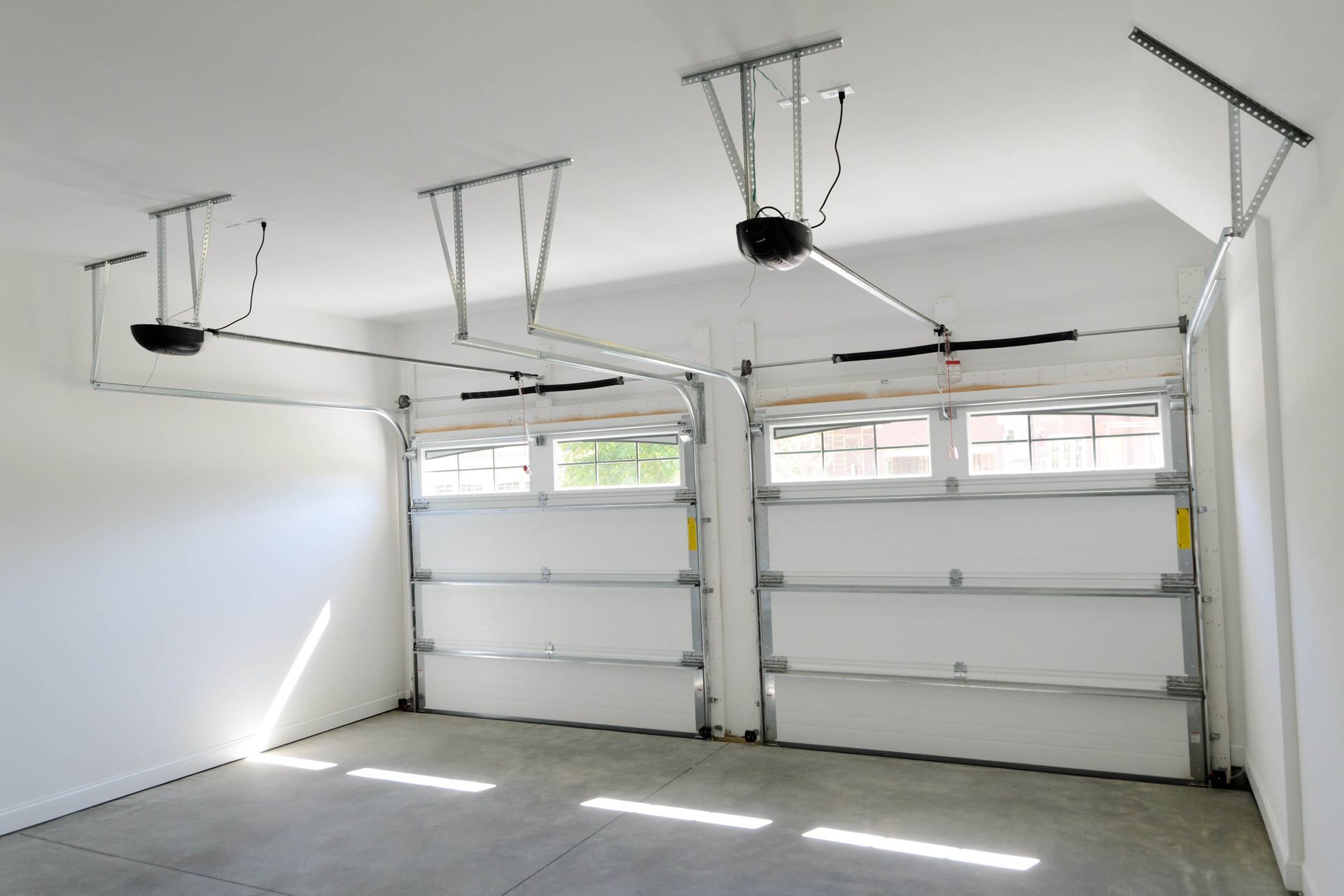
Beyond the surface material, the quality of the internal hardware plays an equally vital role in longevity. High-cycle torsion springs, heavy-duty steel tracks, and nylon-coated ball-bearing rollers outlast standard builder-grade components by many years. In our experience, standard springs are often rated for around 10,000 cycles, while upgraded high-cycle springs can handle 25,000 cycles or more, dramatically reducing the risk of sudden snaps. When homeowners invest in quality construction and insulated designs from the start, their garage doors are equipped to handle decades of daily movement without structural fatigue.
Ensuring Precision Installation and Balance
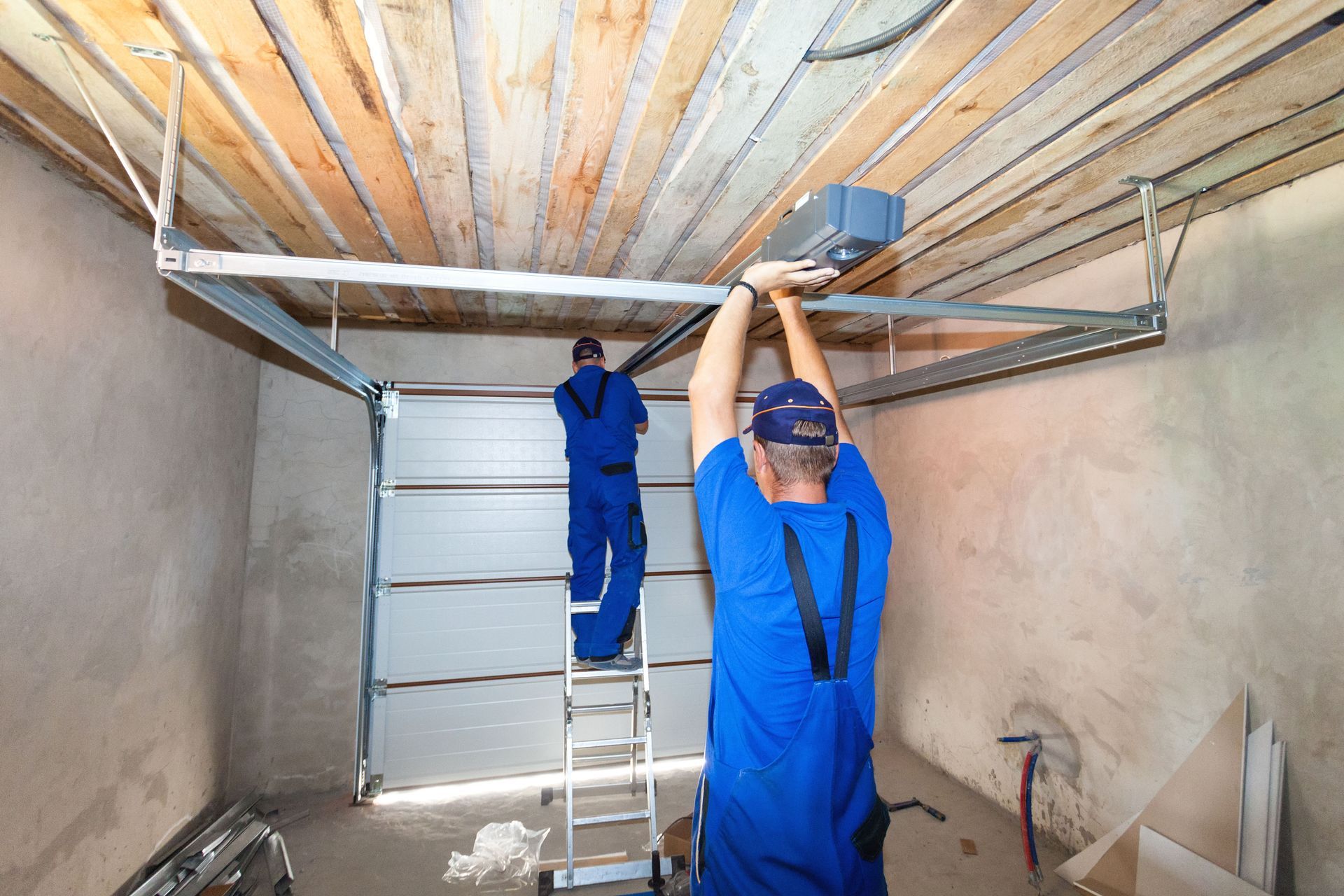
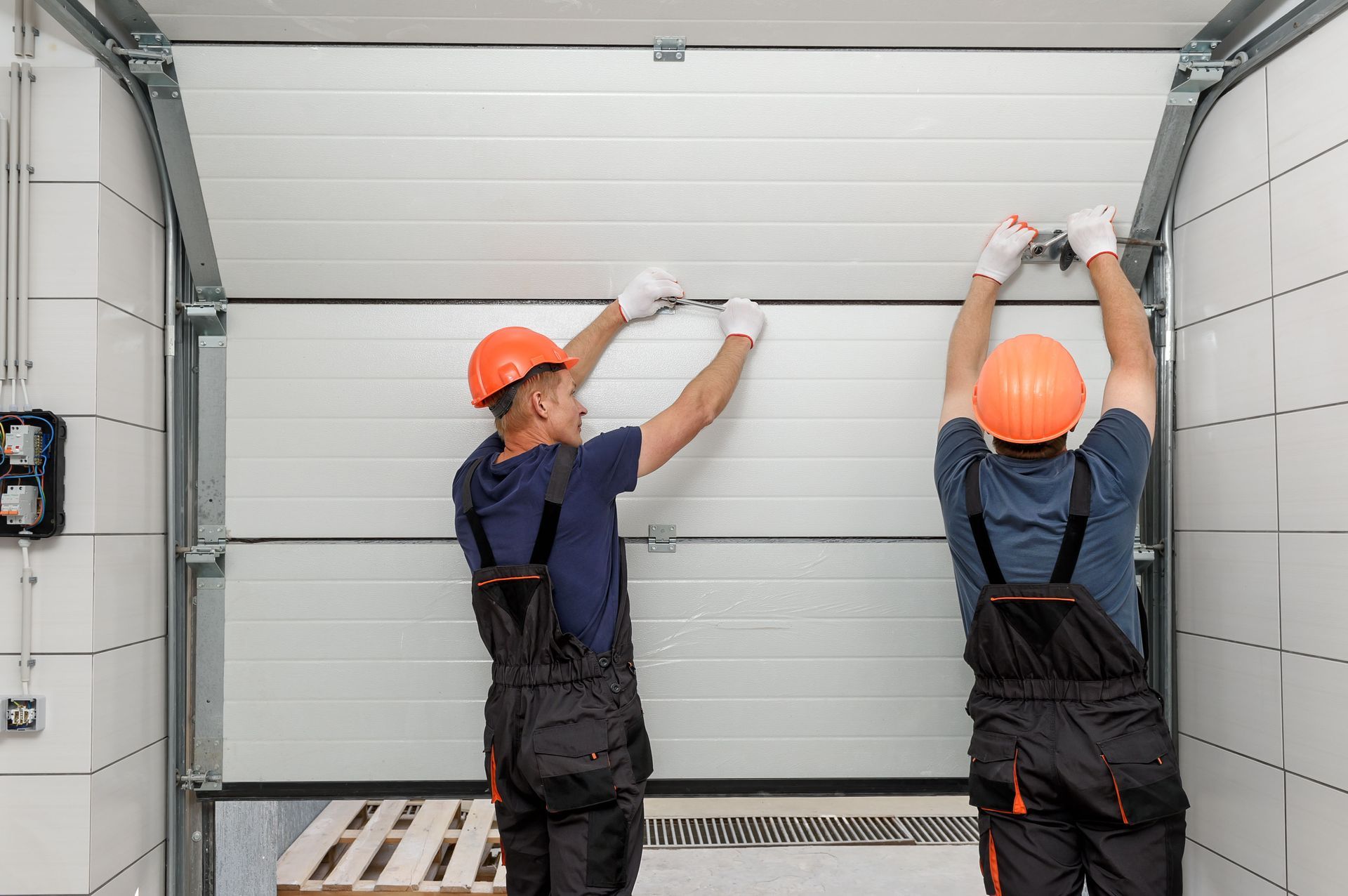
Even the strongest materials and heaviest hardware will fail prematurely if the initial installation is rushed or inaccurate. Proper installation requires exact measurements, plumb vertical tracks, and level horizontal tracks so the door glides without binding or rubbing against the framing. If tracks are even slightly misaligned, rollers grind against the steel channels, creating unnecessary friction that wears out bearings and strains the opener motor. Equally critical is calibrating the torsion or extension springs to match the exact weight of the panels.
A properly balanced door should stay suspended halfway open when lifted manually; if it slams shut or shoots upward, the springs are carrying uneven tension that accelerates metal fatigue. Professional installers also verify that safety sensors, bottom brackets, and reinforcement struts are securely anchored, giving garage doors the structural alignment needed to operate smoothly for decades.
Managing Daily Usage and Opener Stress
How often a door opens and closes every day directly dictates how quickly its mechanical parts wear down. Every time you press the remote, the springs unwind and rewind, the cables bear thousands of pounds of tension, and the rollers travel along the tracks. In households where the garage serves as the primary front entrance, a standard system can burn through its expected cycle life in less than ten years. Conversely, a door used only once or twice a day experiences a fraction of that mechanical strain, easily stretching its service life toward the thirty-year mark.
The garage door opener itself also influences how gently or harshly the system operates. Older chain-drive openers without soft-start and soft-stop technology jerk the door into motion and slam it shut, sending shockwaves through the panels, hinges, and tracks. Modern belt drives and smart openers ease the door open and closed smoothly, minimizing vibration and hardware wear. Additionally, ensuring the door stays properly balanced prevents the opener motor from straining against excess weight, protecting both the motor and the door panels from premature burnout and misalignment.
Protecting Against Local Weather and Climate
Environmental exposure is one of the most underestimated factors affecting the lifespan of exterior home systems. In Southeast Tennessee, garage doors face a demanding mix of high summer humidity, intense UV rays, heavy rainstorms, and chilly winter mornings. Moisture is the primary enemy of metal hardware and wood framing alike; without proper weatherstripping and bottom seals, water seeps into the garage, accelerating rust on bottom brackets, cables, and tracks while causing wooden trim to swell and decay. Over time, rusted cables can fray and snap, and corroded tracks can force rollers to bind or jump off alignment.
Temperature fluctuations also cause metal components to expand and contract, which gradually loosens bolts, nuts, and hinges. Meanwhile, prolonged sun exposure can fade paint finishes and dry out rubber seals, leaving gaps that invite drafts, pests, and debris inside. Homeowners who keep bottom rubber seals intact, maintain exterior paint or protective finishes, and ensure proper drainage around the driveway shield their systems from the elements. Taking simple steps to weatherproof the opening helps garage doors withstand seasonal extremes without deteriorating from the outside in.
Scheduling Routine Maintenance and Timely Repairs
Even the highest-quality installation will falter if it's neglected year after year. Routine preventative maintenance is the single most effective way to push a door's lifespan toward the upper end of its potential. Moving metal parts require regular lubrication with a silicone- or lithium-based lubricant to reduce friction on springs, hinges, and rollers. Without lubrication, metal grinds against metal, generating heat, noise, and accelerated wear that can turn minor friction into major mechanical failure. Just as importantly, annual safety and balance inspections catch worn rollers, frayed cables, and loose hardware before they trigger a dangerous breakdown.
Addressing small issues immediately also prevents cascading damage across the entire system. For example, ignoring a noisy or worn roller forces the opener to work harder and puts uneven stress on the tracks, which can eventually bend the track or damage a door panel. Similarly, replacing a broken spring promptly and never attempting to operate the door while a spring is damaged protects the opener gear assembly and keeps the door from crashing down off-track. Partnering with trained technicians for tune-ups, inspections, and precision repairs ensures every component works in harmony for decades.
Ultimately, the longevity of any garage door comes down to a combination of quality materials, precise setup, mindful daily use, climate protection, and consistent professional care. While no mechanical system lasts forever, making informed decisions at every stage transforms a basic exterior fixture into a dependable asset that enhances your home's security, energy efficiency, and curb appeal for up to thirty years.
Working with licensed, experienced technicians ensures tracks stay aligned, springs remain properly calibrated, and replacement parts meet strict durability standards from day one. When homeowners treat maintenance as a routine investment rather than an afterthought, they enjoy quiet, effortless operation and avoid the headache of unexpected emergencies. If you're ready to extend the life of your current system or upgrade to a durable new door built to last, contact Evans Garage Door today to schedule your inspection or free estimate.